


Smart Robots Transform Cotton Farming In Xinjiang
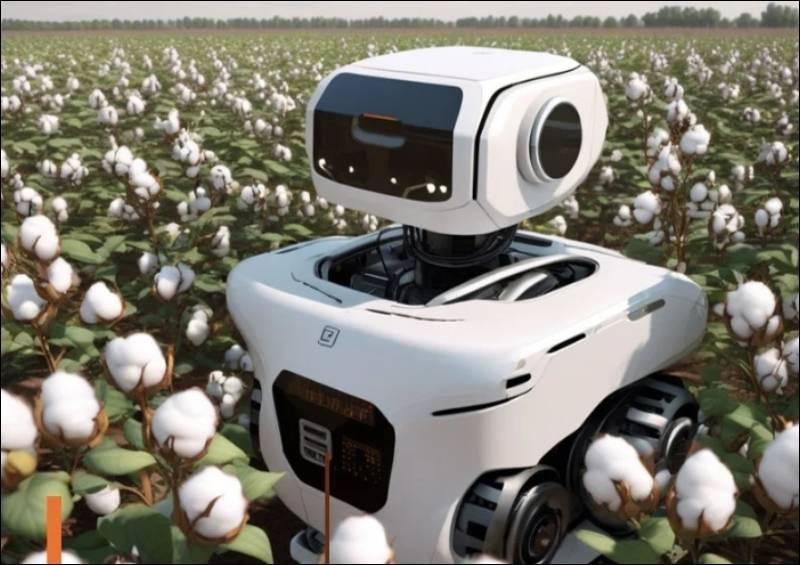
Shihezi City is witnessing a significant shift in cotton cultivation as intelligent agricultural robots move from pilot testing to large-scale deployment across farms in the Xinjiang Uygur Autonomous Region.
Designed for precision spraying, these advanced machines are equipped with vision-based sensor systems capable of identifying individual plants. This enables highly targeted application of pesticides and fertilisers, ensuring inputs are used only where required and in precise quantities. The result is a substantial reduction in chemical usage alongside improved efficiency in crop management.
Beyond precision application, the robots feature autonomous navigation systems, allowing them to operate across fields with minimal human intervention. Their adaptive wheel mechanisms adjust to varying terrain and row spacing, while foldable spray booms enhance manoeuvrability and ease of transport between fields.
The scale of adoption underscores the momentum behind this technological shift. In 2026, these robotic systems are already operating across a cumulative area of approximately 200,000 mu (around 13,300 hectares), marking a notable step toward large-scale precision agriculture in one of the world’s key cotton-producing regions.
The initiative forms part of China’s broader push to modernise agriculture through advanced technologies, including robotics, artificial intelligence and data-driven farming practices. By improving resource efficiency, reducing environmental impact and enhancing productivity, such developments are reshaping the future of cotton cultivation.
For the global textile and agricultural value chains, the progress in Xinjiang offers a clear indication of how technology-led farming models are set to redefine efficiency, sustainability and scalability in crop production.
- Core Fashion & Textile Value Chain
- Circularity, Sustainability & Waste Management
- Sustainability Enablers & Solutions
- Technology, Platforms & Innovation
- Retail, Trade & Market Access
- Knowledge, Institutions & Ecosystem Builders
- Finance, Investment & Support
- Logistics, Infrastructure & Operations
- Media, Communication & Culture
- Others

 English
 Arabic
 Spanish
 Portuguese
 Deutsch
 Turkish
 Dutch
Dutch
 Italiano
 Russian
 Romaian
 Portuguese (Brazil)
 Greek
Greek