


Indian Textile Industry Pushes Back Against Proposed Anti - Dumping Duty on MEG - Warns of MSME Fall
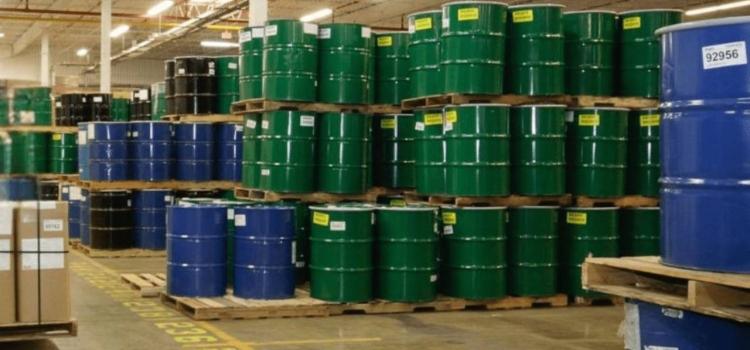
India’s textile and apparel industry has mounted a united, pan-India opposition to the Directorate General of Trade Remedies’ (DGTR) proposal to impose anti-dumping duties on Mono Ethylene Glycol (MEG), cautioning that the move could severely disrupt the polyester value chain and undermine the survival of thousands of MSMEs.
In a joint industry representation led by the Northern India Textile Mills’ Association (NITMA) and supported by over 15 textile and apparel associations nationwide, stakeholders have urged the Union Finance Ministry to reject the recommended duties ranging from USD 103 to USD 137 per metric tonne. Industry leaders argue that the measure threatens to reverse recent policy gains aimed at restoring competitiveness and affordability in man-made fibre (MMF) textiles.
Policy Gains at Risk
The industry has acknowledged and welcomed the Government of India’s recent decision to reduce GST on MMF and yarn to 5%, calling it a much-needed reform to correct structural imbalances. However, associations warn that imposing steep anti-dumping duties on MEG would neutralise these benefits almost immediately.
According to industry estimates, the proposed ADD would raise MEG input costs by nearly 20%, wiping out downstream price relief and placing additional pressure on manufacturers already operating on thin margins.
Structural Supply Constraints Highlighted
Industry bodies have underscored a critical demand-supply mismatch in MEG availability. While India’s domestic demand stands at approximately 3.1 million tonnes per annum (MTPA), local production capacity is capped at around 2.5 MTPA, leaving a deficit of nearly 40% that must be met through imports from countries such as Kuwait, Saudi Arabia, and Singapore.
“This is not just a trade remedy; it is a chokehold on the backbone of Indian textiles,” stated industry representatives. “No new MEG plants are in the pipeline to meet current demand, making these punitive duties a direct tax on survival.”
Far-Reaching Economic Impact
The collective warning outlines serious socio-economic repercussions if the recommendation is implemented. Around 40,000 MSME units across the polyester and textile value chain could face operational distress or closure. Additionally, nearly 3 lakh potential jobs associated with investments under the Production Linked Incentive (PLI) scheme may be placed at risk.
Industry leaders also cautioned that planned capital investments worth ₹20,000–₹30,000 crore in capacity expansion and modernisation could be deferred or cancelled, weakening India’s ambition to emerge as a globally competitive textile manufacturing hub.
Further compounding concerns is the risk of aggravating the long-standing inverted duty structure, which would raise export costs and erode India’s competitiveness against global peers.
Appeal for Public Interest Consideration
Drawing parallels with 2020, when similar anti-dumping duties on Purified Terephthalic Acid (PTA) were withdrawn by the Union Government in public interest, the industry has urged authorities to adopt a broader, value-chain-centric approach.
The associations reiterated that the protest reflects a nationwide movement focused on sustainable and inclusive growth, emphasising that affordable access to MEG is essential for protecting MSMEs — the backbone of India’s textile ecosystem.
The industry has made a humble submission to the Union Finance Ministry, requesting the rejection of the DGTR’s recommendation in the larger national and economic interest.
- Core Fashion & Textile Value Chain
- Circularity, Sustainability & Waste Management
- Sustainability Enablers & Solutions
- Technology, Platforms & Innovation
- Retail, Trade & Market Access
- Knowledge, Institutions & Ecosystem Builders
- Finance, Investment & Support
- Logistics, Infrastructure & Operations
- Media, Communication & Culture
- Others
 Dutch
Dutch
 English
 Arabic
 French
 Spanish
 Portuguese
 Deutsch
 Turkish
 Italiano
 Russian
 Romaian
 Portuguese (Brazil)
 Greek
Greek