


Second-hand clothing coalition demands transparency in UNEP textile circularity project
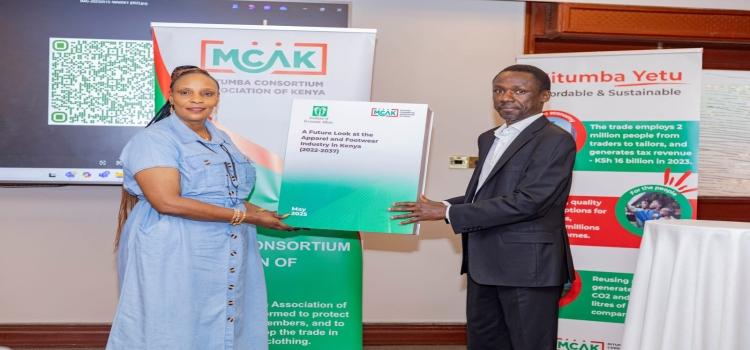
A powerful coalition of global second-hand clothing industry leaders, policymakers, and academic experts has called for greater transparency, accountability, and inclusivity in the United Nations Environment Programme’s (UNEP) ongoing Circularity and Used Textile Trade Project.
In an open letter addressed to UNEP Executive Director Inger Andersen, the coalition urged UNEP to suspend its draft textile circularity guidelines until its underlying research is independently verified.
The coalition was led by the Ghana Used Clothing Dealers Association (GUCDA) and joined by major trade bodies including the Mitumba Consortium Association of Kenya, Recycling Europe, and the Secondary Materials and Recycled Textiles Association (SMART).
The UNEP project, funded by the European Commission, seeks to develop global guidelines to distinguish between used clothing fit for trade and textile waste.
These guidelines are expected to be tabled at the UN Environment Assembly (UNEA-7) scheduled for December 8–12, 2025, in Nairobi.
However, the coalition warns that methodological flaws, limited consultations, and unverified data risk undermining the project’s legitimacy and potentially threatening millions of livelihoods across the Global South.
According to the signatories, representing stakeholders from the US, EU, Ghana, Kenya, Pakistan, the UK, and the Nordic countries, the consultation process has been deeply flawed.
They allege short feedback timelines, restricted access to draft materials, and the use of unverified or biased data.
The letter also raises concerns over UNEP’s partnership with NGOs allegedly funded by fast-fashion companies, suggesting possible conflicts of interest.
“The Circularity and Used Textiles Trade Project could reshape national trade policies that affect the livelihoods of millions of people worldwide,” said Jeffren Boakye Abrokwah, spokesperson for the GUCDA.
“In Ghana, UNEP’s research partner is an NGO financially supported by ultra-fast fashion interests. Many of the dialogues were dominated by individuals affiliated with that NGO, raising serious questions about neutrality.”
The coalition has proposed three immediate actions for UNEP including suspension publication of the draft guidelines until all research data has been independently verified.
They also want release of all research methodologies, data, and definitions from focus countries to allow public review and engaging of independent and local experts to ensure the process is evidence-based and representative.
Alan Wheeler, CEO of the UK’s Textile Recycling Association, warned that UNEP’s credibility was at stake:
“Adopting unverified findings undermines UNEP’s commitment to impartiality and public trust. It must commission independent research and correct its course.”
Teresiah Wairimu Njenga, Chair of the Mitumba Consortium Association of Kenya, echoed the sentiment, saying:
“Unless UNEP disengages from activist organisations influenced by fast fashion interests, this project risks devastating communities that depend on second-hand clothing.”
Kenya’s mitumba sector, which employs and supports more than two million people directly and indirectly, is one of the country’s largest informal industries.
Industry leaders fear that poorly informed global guidelines could stigmatize or restrict the trade, crippling small businesses that rely on used clothing imports for survival.
The coalition emphasized that UNEP’s role as a neutral global environmental authority obliges it to ensure accuracy, fairness, and inclusivity in policymaking.
“Transparency and objectivity are essential if UNEP’s work is to contribute to both sustainability and equitable economic development,” the letter reads.
As UNEP prepares for UNEA-7 in Nairobi, the pressure is mounting to address these concerns before the global assembly convenes.
The meeting will bring together world leaders, environmental experts, and civil society to set environmental priorities, including textile waste management and circular economy policies.
The coalition’s open letter marks a significant moment in the ongoing debate over the future of global textile trade, balancing sustainability goals with the livelihoods of millions who depend on the reuse economy.
- Core Fashion & Textile Value Chain
- Circularity, Sustainability & Waste Management
- Sustainability Enablers & Solutions
- Technology, Platforms & Innovation
- Retail, Trade & Market Access
- Knowledge, Institutions & Ecosystem Builders
- Finance, Investment & Support
- Logistics, Infrastructure & Operations
- Media, Communication & Culture
- Others

 Arabic
 French
 Spanish
 Portuguese
 Deutsch
 Turkish
 Dutch
Dutch
 Italiano
 Russian
 Romaian
 Portuguese (Brazil)
 Greek
Greek