


Inditex Partners on Initiative to Repurpose Brewing Industry Waste for Textile Production
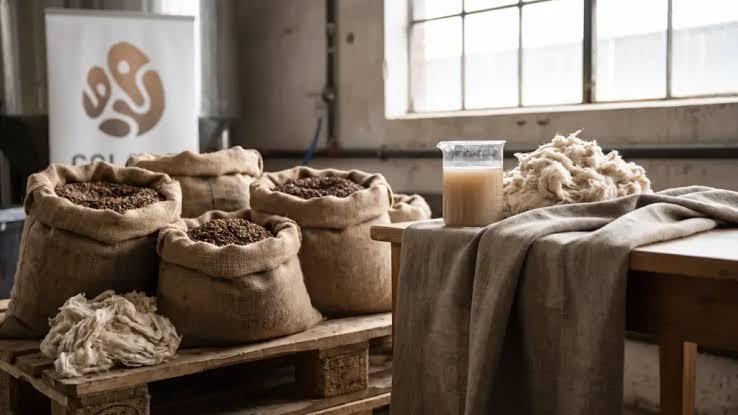
The global fashion retailer Inditex has entered into a strategic collaboration aimed at transforming agricultural byproducts from the brewing sector into high-quality fabric. This initiative focuses on the upcycling of spent grain—the solid residue remaining after brewing—to create sustainable textile fibers. By utilizing advanced biotechnology, the project seeks to extract cellulose from these residues, providing a viable alternative to traditional raw materials in the apparel supply chain.
Advancing a Circular Fashion Project through Industry Synergy
This partnership brings together the fashion giant and major players from the beverage industry, including the world’s largest brewer, AB InBev. The primary objective is to validate a process that turns organic waste into eco-friendly materials suitable for large-scale garment manufacturing. This circular fashion project represents a cross-industry effort to minimize environmental impact by repurposing high-volume waste streams that would otherwise be discarded or used solely for animal feed.
The Technical Process of Beer Waste Recycling
The technical core of the collaboration involves isolating the protein and cellulose components found in barley waste. Through refined extraction methods, the cellulose is processed into premium sustainable textile fibers, such as lyocell. This specific form of beer waste recycling highlights a significant textile innovation, as it reduces the industry’s reliance on virgin wood pulp or water-intensive crops. The resulting fibers are designed to meet the rigorous quality standards required for commercial fashion collections.
Scaling Eco-friendly Materials for Global Retail
By integrating these specialized fibers into its production lines, the company aims to diversify its portfolio of eco-friendly materials. The pilot program serves as a testing ground for scaling the technology, ensuring that the upcycled materials maintain durability and texture. This textile innovation is part of a broader commitment to move toward a more resource-efficient model. The collaboration underscores the potential for brewing waste textiles to play a functional role in future seasonal offerings.
Strategic Implementation and Future Scaling
While the current focus remains on the extraction of cellulose from spent grain, the participants are also exploring the potential of other agricultural side streams. The success of using brewing waste textiles in apparel hinges on the efficiency of the conversion process and the ability to integrate these fibers into existing manufacturing frameworks. As the project progresses, it will provide critical data on the scalability of using food and beverage byproducts to meet the global demand for responsible fashion.
- Core Fashion & Textile Value Chain
- Circularity, Sustainability & Waste Management
- Sustainability Enablers & Solutions
- Technology, Platforms & Innovation
- Retail, Trade & Market Access
- Knowledge, Institutions & Ecosystem Builders
- Finance, Investment & Support
- Logistics, Infrastructure & Operations
- Media, Communication & Culture
- Others
 Portuguese
 English
 Arabic
 French
 Spanish
 Deutsch
 Turkish
 Dutch
Dutch
 Italiano
 Russian
 Romaian
 Portuguese (Brazil)
 Greek
Greek