


MTLC calls for “criteria-based approach” to textile rules
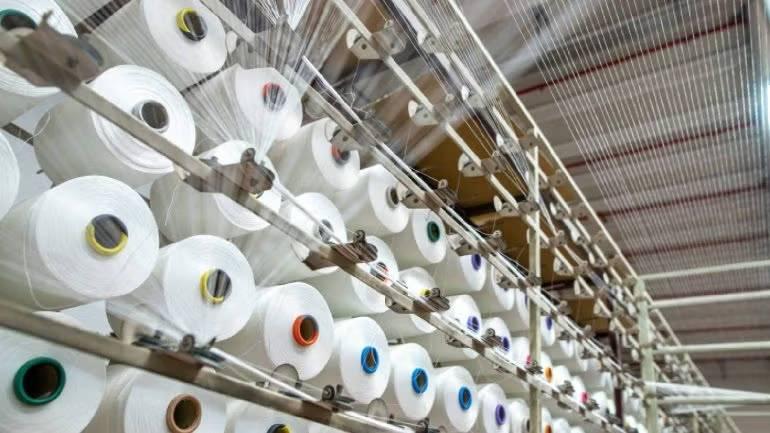
The Make the Label Count (MTLC) coalition has urged the European Commission to adopt a “criteria-based approach” in upcoming textile Ecodesign rules, seeking broader recognition and clear definitions for sustainably sourced renewable materials (SSRMs).
n a letter sent to European Commissioner Jessika Roswall, who is responsible for Environment, Water Resilience and a Competitive Circular Economy, MTLC argued that future regulations should avoid “narrow definitions” based mainly on recyclability or limited lifecycle criteria.
Instead, the coalition said new rules should reflect the environmental and social benefits of using renewable natural materials.
Representing more than 80 organisations across the natural fibre and renewable materials supply chain, MTLC highlighted the importance of assessing SSRMs on multiple criteria.
These should include responsible agricultural practices, soil health, water use, biodiversity, and the well-being of rural communities, rather than establishing a rigid hierarchy of materials.
The coalition also called for all textile fibres, both renewable and synthetic, to be evaluated under equivalent and transparent sustainability requirements.
According to MTLC, new rules should take into account the origin of raw materials, sourcing and production impacts – as well end-of-life outcomes – to ensure a fair comparison across different fibre types.
The initiative has also received backing from the Brazilian Association of Cotton Producers (ABRAPA), an active MTLC member involved in ongoing dialogue with European policymakers.
ABRAPA views the outcome of the EU’s sustainability regulations as significant not only within Europe, but globally, given their potential to set international textile market standards.
The association emphasises that comprehensive, science-based evaluation methods are essential to ensure natural fibres are assessed fairly alongside synthetic materials.
ABRAPA international partnerships head Lisa Ventura said: “Brazilian cotton proves that scale and sustainability can go hand in hand. As the global textile sector evolves, sustainability frameworks must be built on credible, science-based methods that ensure a level playing field for all materials.”
- Core Fashion & Textile Value Chain
- Circularity, Sustainability & Waste Management
- Sustainability Enablers & Solutions
- Technology, Platforms & Innovation
- Retail, Trade & Market Access
- Knowledge, Institutions & Ecosystem Builders
- Finance, Investment & Support
- Logistics, Infrastructure & Operations
- Media, Communication & Culture
- Others

 English
 Arabic
 French
 Spanish
 Portuguese
 Turkish
 Dutch
Dutch
 Italiano
 Russian
 Romaian
 Portuguese (Brazil)
 Greek
Greek