


Indian fashion goes global and green
For years, Indian fashion was often seen only through the lens of tradition. It was labelled as “ethnic,” worn for weddings or festivals, but rarely considered part of modern, everyday style. That perception is changing fast. Today, a new wave of Indian designers is showing that fashion here can be rooted in heritage while being modern, wearable, and globally relevant. From the lanes of Delhi to the streets of New York, Indian fashion is making its mark. It’s staying true to its roots while confidently stepping into the future.
Blending tradition with a global beat
International and Bollywood celebrities—including Zendaya, Gigi Hadid, and Naomi Campbell—have worn Chikankari outfits during global events.
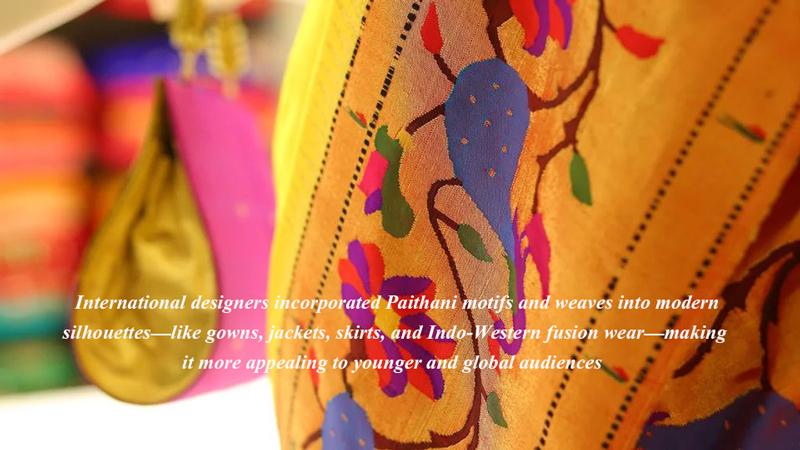
India’s strength in fashion has always been its rich craft — from Paithani silk in Maharashtra to Chikankari in Lucknow and hand block prints in Jaipur. These are more than just techniques. They carry stories of places, people, and communities.
The rise of global e-commerce platforms (like Etsy, Net-a-Porter, and slow-fashion boutiques) has enabled Indian block printers to reach international markets.
What’s changing is how these crafts are being used. Today’s designers aren’t choosing between traditional and modern. They’re doing both. You’ll see a hoodie with Madhubani art, sneakers inspired by old temples, or a denim jacket embroidered with phulkari. It feels real, fresh, and connected.
Brands like NorBlack NorWhite, Biskit, and Jaywalking are part of this new voice. They’re not trying to copy anyone else. They’re creating pieces that speak to a new generation — one that’s proud of where it comes from and how it presents itself. This shift isn’t just about fashion, it’s about identity. Young people today want clothes that reflect their culture and values. They don’t want to pick between jeans and a kurta, they want both on their terms.
Sustainability: Not new to us, just reimagined
Being eco-friendly isn’t a new idea in India. Our parents and grandparents reused fabrics, passed down clothing, and made things last. What we now call “slow fashion” was just everyday life back then.
Now, with climate change and growing awareness, those ideas are coming back. Designers are thinking carefully about how their clothes are made, who makes them, and what impact they have.
Take Ryfin, for example. Itʼs a modern Indian brand using banana crepe, a fabric made from banana plant waste. Itʼs soft, strong, and eco-friendly. They combine it with printing and embroidery techniques to create clothes that are both stylish and mindful.
But Ryfin is just one example. Across India, more and more designers are working with local materials, using natural dyes, and focusing on fair work practices. Theyʼre showing that good fashion doesnʼt have to harm the planet.
Customers are also asking better questions. Who made this shirt? Is the fabric natural? Can this be recycled? These arenʼt niche concerns anymore. Theyʼre part of how young people shop.
Sustainability in Indian fashion is not about jumping on a global trend. It is about going back to what we have always known — taking care, using less, and respecting people who make our clothes.
How design schools are helping lead the change
None of this would be possible without education. Design schools are helping shape this new thinking. One such school is Pearl Academy, which is helping young designers connect tradition with modern needs. Here, they don’t just learn how to make beautiful clothes, they learn why it matters — how to design in ways that care for the planet and tell real stories. From learning traditional crafts to understanding modern sustainability challenges, they get a complete view.
Workshops with artisans, field visits, and hands-on projects are all part of the experience. The result? Students who understand both the art and the responsibility that comes with fashion. Many graduates are now creating brands and projects that reflect these values. They’re building a future where fashion is thoughtful, grounded, and exciting.
The new Indian fashion voice: Honest and Proud
What stands out in Indian fashion right now is the tone — it’s sure of itself. Designers aren’t trying to blend in or chase big trends. They’re speaking their own language.
Fashion weeks in India now showcase more homegrown styles than ever. Runways in Europe and the US are featuring Indian fabrics and silhouettes. But more than visibility, it’s about storytelling. Designers are talking about gender, climate, caste, and craft through their work.
And the clothes? They’re still fun. Bright colours, bold cuts, personal touches — but with deeper meaning. It’s fashion with a point of view, but without losing the joy.
The road ahead
As fashion around the world becomes more similar, India’s variety is its strength. From the deserts of Rajasthan to the coast of Kerala, every part of the country has something to say — and now, it’s finally being heard.
With thoughtful brands, skilled artisans, smart students, and curious customers, the future of Indian fashion looks strong. It’s not about following anyone else. It’s about doing what we’ve always done best: telling our story, our way.
That story blends past and present, tradition and change. It’s stylish, smart, and sustainable. And it’s just getting started.
- Core Fashion & Textile Value Chain
- Circularity, Sustainability & Waste Management
- Sustainability Enablers & Solutions
- Technology, Platforms & Innovation
- Retail, Trade & Market Access
- Knowledge, Institutions & Ecosystem Builders
- Finance, Investment & Support
- Logistics, Infrastructure & Operations
- Media, Communication & Culture
- Others

 English
 Arabic
 French
 Spanish
 Portuguese
 Deutsch
 Turkish
 Dutch
Dutch
 Italiano
 Russian
 Romaian
 Greek
Greek