


India Calls for Fair Cotton Trade at WTO
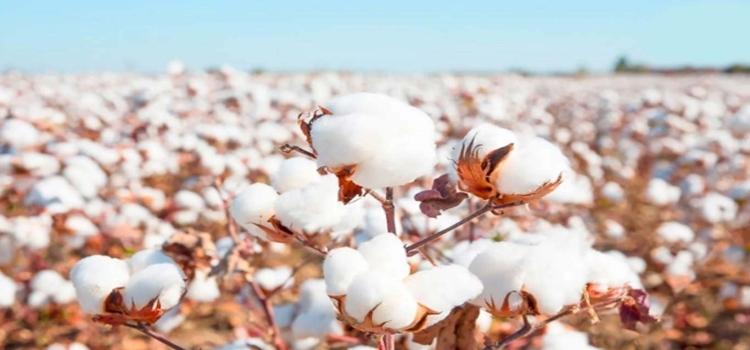
In a significant move, India has called upon the World Trade Organization (WTO) to address the prevailing asymmetries in the global cotton sector. This appeal comes as a part of India’s fair cotton trade efforts to advocate for equitable trade practices that benefit its cotton farmers, who have been facing numerous challenges due to fluctuating market prices, unfair competition, and the impact of subsidies provided by developed countries.
The Indian government has highlighted the critical importance of cotton as a cash crop for millions of farmers across the country. Cotton farming not only supports the livelihoods of farmers but also plays a vital role in Indian textile industry, which is one of the largest in the world. India is the second-largest producer of cotton globally, following China, and accounts for nearly 25% of the world’s cotton production. However, despite its significant contribution, Indian cotton farmers often struggle with low profitability and are at the mercy of global market fluctuations.
The Call for Fair Trade Practices
During recent discussions at the WTO, India emphasized the need for fair cotton trade practices that would level the playing field for its farmers. The country’s Agriculture Minister, Narendra Singh Tomar, expressed concerns over the disadvantages faced by Indian cotton farmers due to the heavy subsidies provided by countries like the United States and the European Union. These subsidies distort global cotton prices and create an uneven competitive landscape that adversely affects farmers in developing nations.
Tomar urged the WTO to consider implementing measures that would restrict the provision of such subsidies in developed countries, thereby ensuring a more balanced and fair trade environment. He stressed that the cotton sector is not just an agricultural issue but also an economic one that has significant implications for rural development and poverty alleviation in India.
Addressing the Impact of Subsidies
The subsidies provided by developed nations have been a contentious issue in international trade discussions for decades. These financial supports allow farmers in these countries to sell their cotton at artificially low prices, which undermines the competitiveness of cotton produced in countries like India. As a result, Indian farmers find it challenging to sell their crops at sustainable prices, leading to increased economic hardships and, in some cases, contributing to farmer suicides.
The Indian government believes that addressing these global asymmetries is essential for the sustainability of the cotton sector. By advocating for changes in international trade rules at the WTO, India aims to create a more equitable environment for all cotton-producing countries, particularly those classified as developing nations.
Collaborative Efforts and Global Partnerships
India’s call for a reassessment of global cotton trade practices is not an isolated effort. The country has been actively engaging with other cotton-producing nations to form alliances and promote greater collaboration in the sector. Recently, several African nations have also echoed India’s concerns regarding the impact of foreign subsidies on their cotton economies.
The ongoing discussions within various international forums, including the G20 and G7, have garnered attention to the need for a comprehensive and coordinated approach to tackle the challenges faced by cotton farmers worldwide. Such collaborative efforts aim to ensure that the voices of smaller cotton producers are heard and effectively represented in policy-making processes.
The Path Forward
As the WTO continues to deliberate on trade rules and practices, it is crucial for member nations to prioritize fairness and equity in the cotton sector. India’s advocacy for addressing global asymmetries is a significant step in the right direction, not only for its farmers but for the agricultural community at large.
The implications of these discussions extend beyond cotton, as they reflect broader issues of trade fairness, agricultural sustainability, and economic justice. By working towards more equitable trade practices, the international community can foster a healthier global market that supports the livelihoods of farmers around the world, ultimately contributing to poverty alleviation and rural development.
In conclusion, India’s appeal to the WTO represents a pivotal moment in the fight for fair cotton trade practices. As stakeholders in the cotton sector continue to navigate the complexities of global trade, collaborative efforts and policy reforms will be essential to ensure a sustainable and just future for cotton farmers everywhere.
- Core Fashion & Textile Value Chain
- Circularity, Sustainability & Waste Management
- Sustainability Enablers & Solutions
- Technology, Platforms & Innovation
- Retail, Trade & Market Access
- Knowledge, Institutions & Ecosystem Builders
- Finance, Investment & Support
- Logistics, Infrastructure & Operations
- Media, Communication & Culture
- Others
 Spanish
 English
 Arabic
 French
 Portuguese
 Deutsch
 Turkish
 Dutch
Dutch
 Italiano
 Russian
 Romaian
 Portuguese (Brazil)
 Greek
Greek