


India–UK FTA gets the final nod: Rise in Textile & Apparel exporter may be as high as 60%
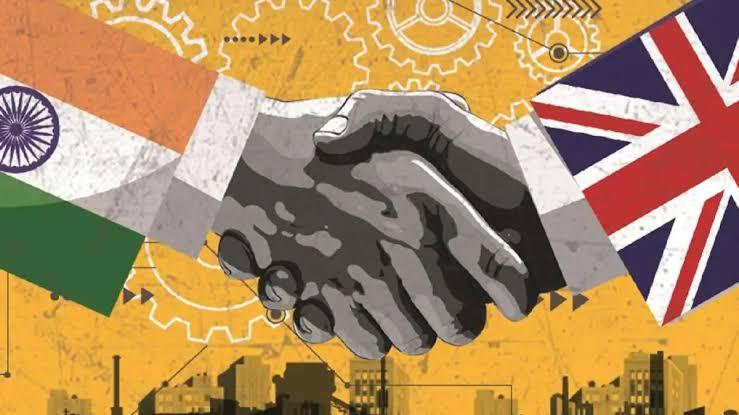
The moment every exporter was waiting for has finally arrived with the signing of the India–UK Free Trade Agreement (FTA). For years India has faced tariff disadvantage over their competitors making exports an uneven playing field. Optimistic calculations put the expected increase in apparel and textile exports over the next three to five years at a whopping 60%.
The UK has always been an important market for Indian exporters, but competing with their nearest competitor, Bangladesh, which enjoys preferential duty-free access to the UK for years has been difficult, more so as price sensitivity has increased. Sadly, Indian suppliers have often lost business to lower-cost sourcing destinations because of the additional duty burden.
The newly signed agreement, allows duty-free access to almost all Indian textile and apparel exports to the UK. Previously the industry was faced with import duties of around 8–12 per cent, a real killer in the sourcing matrix.
With an estimated US$20–25 billion annual import of textiles and apparel, UK is among the leading markets in the category. Currently, Bangladesh exports around US $4.1–4.5 billion worth of products, while India’s exports are to the tune of US$1.4 billion. The gap is huge and with the newly implemented level playing ground, the scales are expected to tilt in India’s favour.
Further, with an integrated value supply chain from farm, fibre, yarn, fabric, garment manufacturing and value-added processing, the potential for exports to double over the longer term are real, provided the industry keeps its improvement agenda on track. This is very critical as Bangladesh is still largely dependent on imported fabrics for many product categories.
Experts are of the opinion that if manufacturers continue to improve competitiveness and global sourcing trends remain conducive, the biggest beneficiaries could be fashion apparel, activewear, knitwear, denim, home textiles, technical textiles and man-made fibre-based products—segments where India’s integrated manufacturing capabilities provide a distinct advantage.
Reacting to the news, industry leaders are quick to caution that sustained export growth will depend on India’s ability to deliver innovation, quality, sustainability, compliance and shorter lead times, factors increasingly valued by global retailers.
In the meanwhile, leading UK retailers like Marks & Spencer, Next, Tesco, Primark, John Lewis and ASOS, are expected to expand sourcing programmes from India resulting in greater buyer engagement by Indian textile and garment hubs of Tiruppur, Noida, Bengaluru, Ludhiana, Jaipur, Karur and Panipat are likely to witness higher buyer engagement in the coming years.
- Core Fashion & Textile Value Chain
- Circularity, Sustainability & Waste Management
- Sustainability Enablers & Solutions
- Technology, Platforms & Innovation
- Retail, Trade & Market Access
- Knowledge, Institutions & Ecosystem Builders
- Finance, Investment & Support
- Logistics, Infrastructure & Operations
- Media, Communication & Culture
- Others

 English
 Arabic
 French
 Spanish
 Portuguese
 Deutsch
 Turkish
 Dutch
Dutch
 Italiano
 Romaian
 Portuguese (Brazil)
 Greek
Greek