


Iran-Israel War Disrupts Apparel Supply Chains in Asia
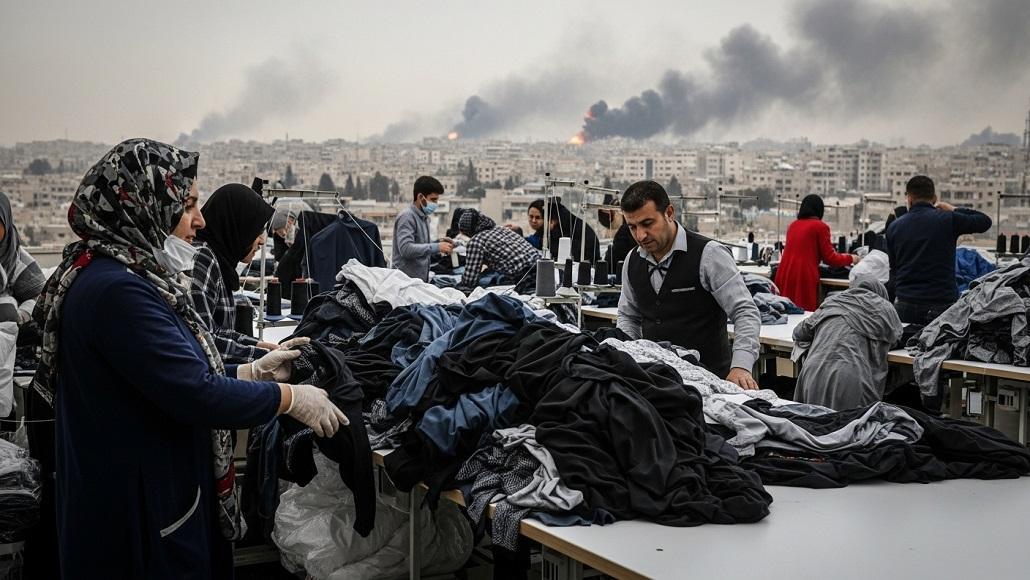
The escalating conflict between Iran and Israel is poised to have significant implications for apparel exporters and manufacturers across Asia and Southeast Asia. As tensions rise, the following points outline the potential impact on the supply chain and the broader apparel industry in this region.
1. Supply Chain Disruptions
The conflict is likely to cause substantial disruptions in global supply chains, particularly in the apparel and textile sectors. Key factors include:
- Shipping Route Vulnerability: The Strait of Hormuz, through which approximately 20% of global oil and a significant volume of goods are transported, may experience increased military activity. Any blockage or threat to this critical chokepoint could lead to delays in shipping schedules for raw materials and finished apparel products, affecting the entire supply chain.
- Logistics and Transportation Challenges: With rising tensions, freight companies may opt for longer, more secure shipping routes, leading to increased transit times and costs. This shift can complicate logistics for manufacturers who depend on timely deliveries of textiles, threads, and other materials essential for garment production.
- Production Halt: If the conflict escalates, manufacturers in the region might face factory shutdowns due to security concerns, further compounding delays and affecting the timely fulfillment of orders.
2. Rising Oil Prices
The conflict is likely to contribute to spikes in global oil prices, as markets react to the instability in the region. The impact on the apparel industry includes:
- Increased Operational Costs: Rising fuel prices will translate into higher transportation costs for both raw materials and finished products. Apparel manufacturers may be forced to pass these costs onto consumers, potentially leading to reduced competitiveness in the global market.
- Impact on Air Freight: For urgent shipments, especially in the fashion industry where timing is critical, increased air freight costs due to higher oil prices could further strain margins for apparel exporters.
3. Increased Production Costs
Manufacturers in countries like Bangladesh, Vietnam, and Cambodia, which are heavily invested in garment production, may experience mounting costs due to:
- Rising Energy Costs: Increased energy costs driven by high oil prices affect manufacturers’ production expenses, leading to potential price hikes for apparel.
- Supply Chain Instability: Fluctuations in raw material prices due to supply chain disruptions can lead to unpredictable production costs, making financial planning challenging for manufacturers.
4. Tariffs and Trade Policies
The conflict coincides with existing trade tensions and tariffs imposed by countries like the U.S. on key importing nations in the region:
-
Navigating Complex Tariffs: Apparel exporters must continue to navigate complex tariff structures, and any increase in operational costs due to the conflict could further erode profit margins, especially if they are unable to pass these costs onto consumers.
5. Impact on Small and Medium Enterprises (SMEs)
Small and medium-sized apparel businesses, which form the backbone of many Southeast Asian economies, may be disproportionately affected by rising costs and supply chain disruptions:
- Financial Vulnerability: SMEs often lack the financial resilience to absorb increased costs, leading to potential layoffs, factory closures, and a subsequent rise in unemployment rates.
- Loss of Competitive Edge: With larger manufacturers able to withstand short-term fluctuations, smaller players may struggle to compete, particularly if they rely heavily on timely deliveries and cost-effective production.
6. Long-term Consequences
Sustained conflict could prompt apparel manufacturers to reconsider their sourcing strategies:
- Diversification of Supply Chains: Companies may seek to diversify their supply chains away from regions affected by geopolitical risk, potentially leading to a shift in sourcing patterns from traditional markets to more stable areas.
- Investment in Resilience: Manufacturers may invest in more resilient supply chain strategies, including local sourcing and production, to mitigate risks associated with geopolitical conflicts.
7. Potential for Decreased Demand
As global consumers become sensitive to rising prices due to inflation driven by oil prices and supply chain challenges, demand for apparel could decrease:
-
Shifts in Consumer Behavior: If apparel prices rise significantly, consumers may reduce discretionary spending on clothing, affecting demand across the industry.
Conclusion
The ongoing conflict between Iran and Israel poses considerable risks to apparel exporters and manufacturers in Asia and Southeast Asia. Supply chain disruptions, rising costs, and shifts in consumer demand may challenge the industry’s ability to remain competitive. Stakeholders should actively explore strategies to fortify supply chains and maintain affordability amid these uncertain geopolitical landscapes.
- Core Fashion & Textile Value Chain
- Circularity, Sustainability & Waste Management
- Sustainability Enablers & Solutions
- Technology, Platforms & Innovation
- Retail, Trade & Market Access
- Knowledge, Institutions & Ecosystem Builders
- Finance, Investment & Support
- Logistics, Infrastructure & Operations
- Media, Communication & Culture
- Others

 English
 Arabic
 French
 Spanish
 Portuguese
 Deutsch
 Turkish
 Dutch
Dutch
 Russian
 Romaian
 Portuguese (Brazil)
 Greek
Greek