


The rise of regenerated fibers as the new backbone of textile manufacturing
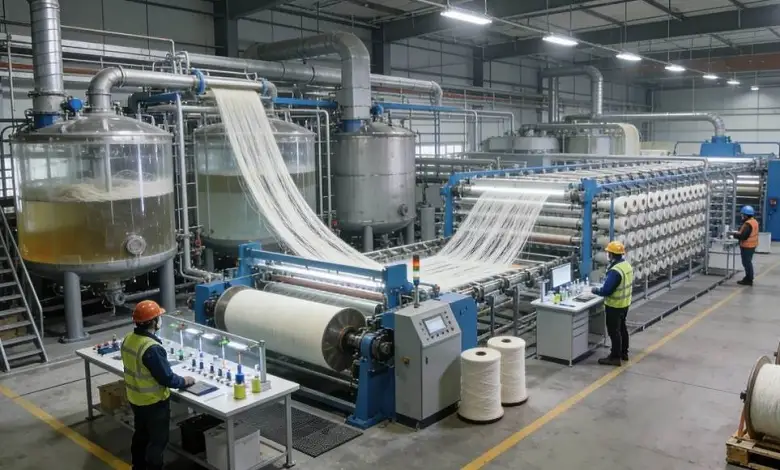
Fibers produced through textile-to-textile and chemical recycling technologies have brought a wave of innovation to the apparel industry. This innovation is transforming the industry from the traditional linear “make-use-dispose” model to a more sustainable and circular production system. Regenerated fibers are one of the foundations of the sustainable apparel industry of the future. Advances in chemical recycling, cellulose regeneration and closed-loop textile recycling technologies are making the production of high-quality new fibers from used clothing and textile waste more efficient and commercially viable.
Why this matters
The plan to implement the target for the use of recycled materials from 2030 under the Ecodesign for Sustainable Products Regulation (ESPR) is leading the industry towards more responsible material management. The Extended Producer Responsibility (EPR) framework introduced in the European Union and the United States is forcing brands and producers to take financial responsibility for textile collection, recycling and waste management.
Global fashion houses such as H&M, Nike and Inditex have entered into long-term agreements with recycling technology companies such as Syre, Circ and Ambercycle to bring recycled fibers from experimental capsules to the mainstream. Consumer interest in sustainable products is growing rapidly.
Technological advances have made this transition even more modern. Virgin-quality polyester is produced from textile waste through chemical depolymerization and enzymatic recycling. On the other hand, cotton waste is converted into premium lyocell or viscose fibers through cellulosic regeneration processes from Circuloze, Infinite Fiber and Evernu. Chemical recycling capacity has increased by more than 400% in 4 years from 2022 to 2026.
Current technologies and initiatives
In addition to recycling from old plastic bottles, textile-to-textile (cloth to cloth) recycling is currently on the rise. First, the fabric is broken down to the molecular level and then new yarn is made, the quality of the new yarn is as good as virgin or brand-new yarn. Then, advanced fibers such as viscose or lyocell are made from discarded cotton or agricultural waste (such as fruit peels or fibers).
Impact on industry
Farming new cotton requires a lot of water, and making synthetic yarn requires mineral oil. Using regenerated fibers not only saves water but also reduces carbon emissions. Major global brands have set a goal of using 100% sustainable raw materials in their products by 2030. Regenerated fibers are the only effective way to meet this goal. On the other hand, factory waste and old clothes are becoming raw materials instead of going to landfill.
Regenerated fibers directly reduce textile waste by diverting post-consumer and post-industrial materials from combustion and converting them into new textile materials. They also reduce environmental impact by reducing carbon dioxide (CO₂) emissions. Regenerated polyester produces 85% less waste than virgin fiber. When powered by renewable energy, these systems create one of the most significant carbon mitigation opportunities for the textile sector.
Regenerated fibers are the future backbone of the textile industry. They are protecting the environment while ensuring the safety of the industry’s raw materials.
- Core Fashion & Textile Value Chain
- Circularity, Sustainability & Waste Management
- Sustainability Enablers & Solutions
- Technology, Platforms & Innovation
- Retail, Trade & Market Access
- Knowledge, Institutions & Ecosystem Builders
- Finance, Investment & Support
- Logistics, Infrastructure & Operations
- Media, Communication & Culture
- Others

 English
 Arabic
 French
 Spanish
 Portuguese
 Turkish
 Dutch
Dutch
 Italiano
 Russian
 Romaian
 Portuguese (Brazil)
 Greek
Greek