


Karur textile industry seeks relief over raw material price surge
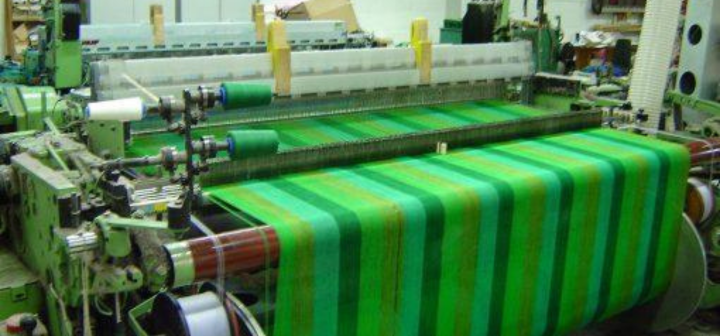
The Karur Textile Manufacturers and Exporters Association (KTMEA) has urged both the Union and Tamil Nadu governments to intervene and support the textile industry, which is facing mounting pressure due to rising raw material costs and disruptions caused by the ongoing conflict in West Asia.
A resolution passed during the association’s meeting held last week said the industry was undergoing severe stress due to multiple factors, including sharp increases in raw material prices, the cascading impact of geopolitical tensions, and rising labour costs. The meeting, chaired by KTMEA president P. Gopalakrishnan, noted that prices of key raw materials required for textile manufacturing have surged by 30 percent to 60 percent over the past few months.
The association said geopolitical tensions involving the United States, Israel and Iran have significantly disrupted global trade and international shipping networks. As a result, prices of essential textile inputs such as polyester, dyeing chemicals, polythene and packaging materials, many of which are petroleum-based, have witnessed sudden and steep increases.
KTMEA said delays in international shipments and shortages of imported goods have also pushed up costs related to dyeing, printing and other job-work processes. The association further highlighted that cotton yarn prices in India have risen by 30 percent to 40 percent, calling it a major setback for the textile sector.
Despite India being one of the world’s leading cotton producers, the association alleged that the current increase in cotton yarn prices appears artificial and lacks justified reasons. It expressed disappointment over what it described as inadequate intervention by the Union government to stabilise cotton yarn prices, calling cotton yarn the ‘lifeline’ of India’s textile industry.
KTMEA also said prices of recycled cotton and polyester blended yarn, widely used by the Karur textile cluster, have increased by 10 percent to 20 percent. In addition to rising input costs, labour shortages have emerged as another major challenge for the industry.
The association warned that if the current situation continues, it could severely impact the operations of the Karur textile sector and adversely affect exports and employment generation. It has urged both governments to introduce a support package for the industry and take immediate measures to stabilise raw material prices.
- Core Fashion & Textile Value Chain
- Circularity, Sustainability & Waste Management
- Sustainability Enablers & Solutions
- Technology, Platforms & Innovation
- Retail, Trade & Market Access
- Knowledge, Institutions & Ecosystem Builders
- Finance, Investment & Support
- Logistics, Infrastructure & Operations
- Media, Communication & Culture
- Others

 English
 Arabic
 French
 Spanish
 Portuguese
 Deutsch
 Turkish
 Dutch
Dutch
 Italiano
 Russian
 Romaian
 Greek
Greek