


India Defends Textile Recycling Ecosystem Against Global Criticism
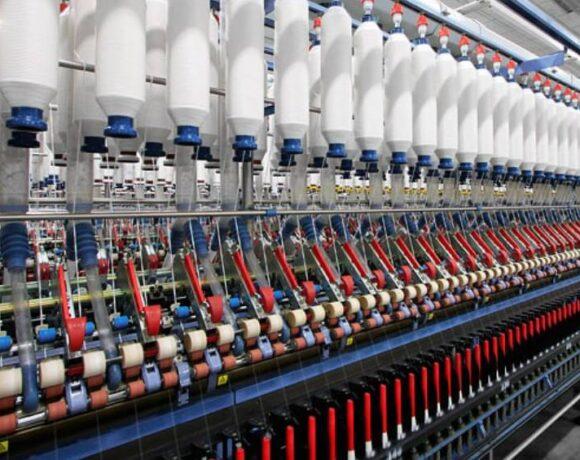
India’s Ministry of Textiles has defended the country’s textile recycling industry against what it described as misleading portrayals by sections of the international media, asserting that India has built one of the world’s largest textile recovery and recycling ecosystems supported by long-standing reuse and repurposing practices.
The ministry said recent foreign media reports focusing on textile recycling hubs such as Panipat highlighted environmental and labour-related concerns while overlooking the sector’s progress in sustainability, technology adoption and regulatory compliance.
Rejecting broad criticism of the industry, the government said India’s textile recycling sector is increasingly moving towards cleaner production systems, formalisation and stronger environmental safeguards. “Generalised characterisation of India’s textile industry as environmentally negligent or exploitative does not reflect the ongoing improvements and sustainability-led interventions taking place across the sector,” the ministry stated.
According to government data, India generates around 7,073 kilo tonnes of textile waste annually. Citing the Mapping of Textile Waste Value Chain in India 2026 study, the ministry said nearly 97 percent of pre-consumer textile waste generated during manufacturing is recycled within the country.
The government also pushed back against claims that India serves primarily as a destination for discarded Western fast-fashion products. It said more than 90 per cent of the nearly 7.8 million tonnes of textile waste processed annually is generated domestically, while imported waste contributes only about 7 percent.
Referring to a report by the Federation of Indian Chambers of Commerce and Industry, the ministry said India’s textile waste management ecosystem generates an estimated economic value of around Rs 22,000 crore each year.
The government further cited a study conducted by researchers at Indian Institute of Technology Delhi based on data from the Panipat textile cluster, which found that textile recycling can reduce environmental impacts such as greenhouse gas emissions and fossil fuel depletion by up to 40 percent compared to virgin fibre production.
While acknowledging concerns related to informal recycling units, worker safety and post-consumer waste management, the ministry said textile recycling facilities operate under existing environmental and labour regulations. It added that authorities, including the National Green Tribunal, continue to monitor and take action against non-compliant units.
- Core Fashion & Textile Value Chain
- Circularity, Sustainability & Waste Management
- Sustainability Enablers & Solutions
- Technology, Platforms & Innovation
- Retail, Trade & Market Access
- Knowledge, Institutions & Ecosystem Builders
- Finance, Investment & Support
- Logistics, Infrastructure & Operations
- Media, Communication & Culture
- Others

 English
 Arabic
 French
 Spanish
 Portuguese
 Deutsch
 Turkish
 Dutch
Dutch
 Italiano
 Russian
 Romaian
 Greek
Greek