


Duty Cut Proposal On Raw Cotton Faces Hurdle Amid Inter-Ministerial Concerns
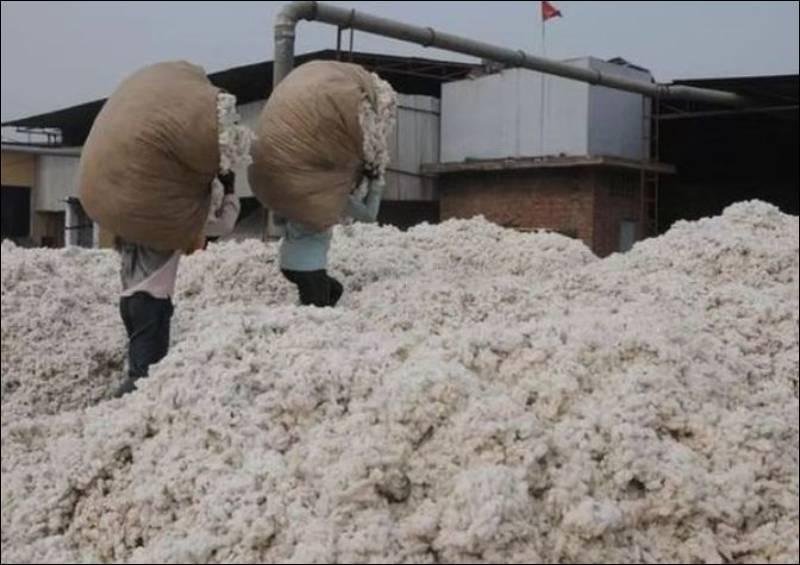
India’s proposal to reduce or temporarily remove import duties on raw cotton is facing resistance, as differences emerge between the Ministry of Textiles India and the Ministry of Agriculture and Farmers Welfare over its potential impact on domestic stakeholders.
The move, initiated by the Textile Ministry, aims to ease input cost pressures on garment exporters who are currently grappling with rising cotton prices and supply disruptions linked to geopolitical tensions in West Asia. The ministry has proposed that any duty relief be limited to the lean season to ensure minimal disruption to farmers’ interests.
However, the Agriculture Ministry is proceeding cautiously, citing the economic and political sensitivity surrounding cotton. With implications for farmer incomes and domestic price stability, the ministry is undertaking broader consultations before arriving at a decision. As a result, the proposal is likely to face delays, even as industry stakeholders push for urgent intervention.
Garment exporters have intensified their appeal for relief, pointing to a steady rise in domestic cotton prices driven by tight supply conditions, reduced arrivals and limited availability with ginners. A significant portion of the cotton crop has already moved out of farmers’ hands and is now held by traders, contributing to speculative pressures in the market.
The situation has led to an increase in yarn and fabric prices, directly impacting production costs and eroding export competitiveness. This comes at a time when global demand remains firm, but Indian exporters are struggling to maintain their market position due to cost disadvantages.
Despite being one of the world’s largest cotton producers, India continues to rely on imports during lean periods and for sourcing higher-quality fibre not readily available domestically. While improved crop estimates for the 2025–26 season indicate stronger output and arrivals, the immediate supply-demand mismatch continues to strain the value chain.
The debate underscores the complex balancing act between supporting exporters and safeguarding farmer interests. While the Textile Ministry is advocating for swift action to stabilise input costs and support exports, the Agriculture Ministry remains non-committal, weighing the broader implications of duty changes.
Meanwhile, India’s textile and apparel exports have already shown signs of pressure, declining by 2.2% to $35.8 billion in 2025–26, reflecting challenges across key segments, particularly cotton-based products.
As discussions continue across ministries, the outcome will be closely watched by the industry, with significant implications for pricing, trade flows and the competitiveness of India’s textile exports in the global market.
- Core Fashion & Textile Value Chain
- Circularity, Sustainability & Waste Management
- Sustainability Enablers & Solutions
- Technology, Platforms & Innovation
- Retail, Trade & Market Access
- Knowledge, Institutions & Ecosystem Builders
- Finance, Investment & Support
- Logistics, Infrastructure & Operations
- Media, Communication & Culture
- Others

 English
 Arabic
 French
 Spanish
 Portuguese
 Turkish
 Dutch
Dutch
 Italiano
 Russian
 Romaian
 Portuguese (Brazil)
 Greek
Greek