


Caught In The Squeeze: Rising Cotton Costs Weigh On India’s Spinning Mills
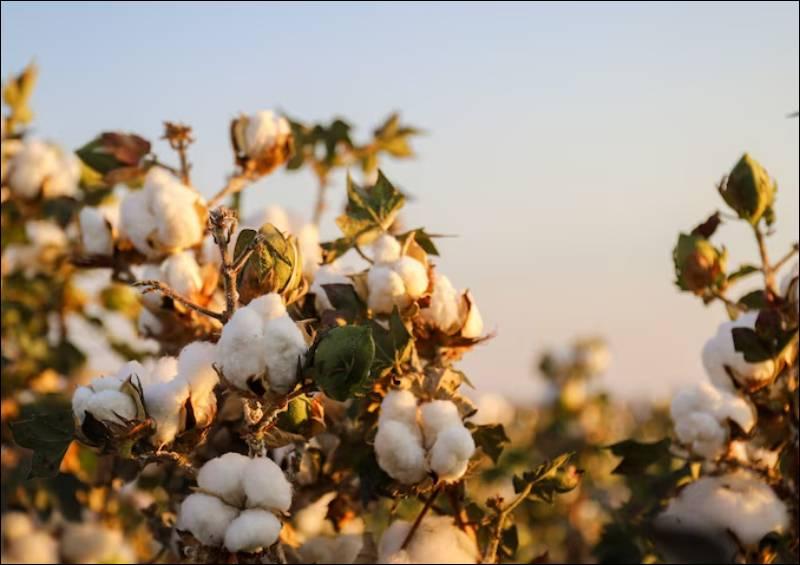
India’s textile value chain is facing renewed pressure as a sharp rise in cotton prices tightens margins for spinning mills already grappling with weak downstream demand and global uncertainties.
The benchmark Shankar-6 cotton variety, largely produced in Gujarat, has climbed to around Rs 60,500 per candy (356 kg), marking an increase of about 8.5% over the past month. The price escalation comes at a challenging time for apparel manufacturers, who continue to face subdued demand in key export markets.
Supply-demand dynamics are adding to the strain. The Committee on Cotton Production and Consumption has pegged India’s cotton output for the current season (ending September 30) at approximately 291 lakh bales, slightly lower than last year. In contrast, mill consumption is projected at 312 lakh bales, indicating a demand-supply gap that is keeping prices firm.
Policy changes have further intensified the situation. The lapse of the 11% import duty waiver on cotton at the end of December 2025 has curtailed cheaper imports, pushing domestic prices higher and tightening raw material availability for mills.
The impact is particularly visible in Tamil Nadu, which accounts for nearly half of India’s spinning capacity. Mills in the region are reporting mounting cost pressures and difficulty in securing adequate supplies.
Raw material inflation has been sharp and rapid. Cotton prices have surged from about Rs 52,000 per candy in early March to nearly Rs 63,000 by early April—an increase of Rs 11,000 within a short span. However, yarn prices have not risen proportionately. For instance, 40s cotton yarn has increased modestly from Rs 265 to Rs 290 per kg, highlighting the widening mismatch between input costs and realisations.
Man-made fibre segments are also witnessing similar trends. Polyester fibre prices have jumped from Rs 101 to Rs 131 per kg, while viscose staple fibre has risen from Rs 168 to Rs 188 per kg over the same period. Consequently, blended yarn prices such as 60s polyester-viscose have seen a limited rise from Rs 218 to Rs 235 per kg, further squeezing margins.
Adding to operational challenges, labour shortages have disrupted production in several units. With migrant workers from states such as West Bengal, Assam, and Odisha returning home for voting, some mills are reportedly functioning at nearly 50% capacity.
Overall, the sector is caught in a cost-price squeeze, with rising raw material prices, constrained supply, and weak demand creating a challenging operating environment for spinning mills.
- Core Fashion & Textile Value Chain
- Circularity, Sustainability & Waste Management
- Sustainability Enablers & Solutions
- Technology, Platforms & Innovation
- Retail, Trade & Market Access
- Knowledge, Institutions & Ecosystem Builders
- Finance, Investment & Support
- Logistics, Infrastructure & Operations
- Media, Communication & Culture
- Others

 English
 Arabic
 French
 Spanish
 Portuguese
 Turkish
 Dutch
Dutch
 Italiano
 Russian
 Romaian
 Portuguese (Brazil)
 Greek
Greek