


Transportation Predictive Analytics: Data-Driven Intelligence Transforming Mobility Systems
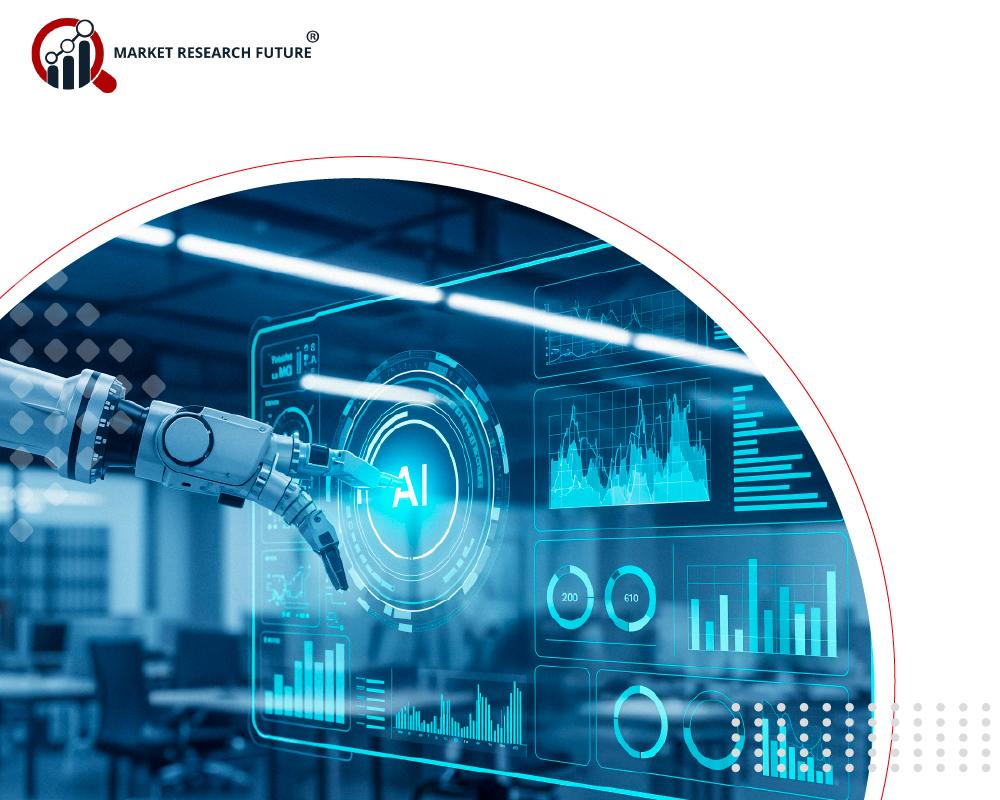
Introduction to Transportation Predictive Analytics
Transportation predictive analytics refers to the use of historical data, real-time inputs, and advanced analytical techniques such as machine learning and statistical modeling to forecast future events in transportation systems. It enables organizations to anticipate traffic congestion, optimize routes, reduce operational risks, and improve overall efficiency. With the growing complexity of urban mobility and logistics networks, predictive analytics has become a crucial tool for decision-makers seeking to enhance safety, sustainability, and performance.
Key Components and Technologies
Predictive analytics in transportation relies on a combination of data sources and technologies. These include GPS data, traffic sensors, weather information, vehicle telematics, and infrastructure monitoring systems. Advanced technologies such as artificial intelligence (AI), big data platforms, and cloud computing play a vital role in processing large volumes of data. Algorithms analyze patterns and trends to generate forecasts, while visualization tools help stakeholders interpret insights effectively. Integration with Internet of Things (IoT) devices further strengthens real-time monitoring and predictive capabilities.
Applications Across Transportation Systems
Predictive analytics is widely applied across multiple transportation domains. In urban mobility, it helps forecast traffic flow, reduce congestion, and optimize public transit schedules. In logistics and supply chain operations, predictive models enhance route planning, improve delivery timelines, and minimize fuel consumption. Aviation uses predictive analytics for maintenance scheduling and flight delay forecasting, while rail systems leverage it for infrastructure monitoring and operational efficiency. Additionally, ride-sharing platforms utilize predictive algorithms to match demand and supply dynamically.
Benefits and Operational Advantages
The adoption of predictive analytics in transportation offers several advantages. It improves decision-making by providing data-driven insights, enabling proactive rather than reactive responses. Operational efficiency increases through optimized routing and resource allocation, reducing costs and travel time. Safety is enhanced by predicting potential risks such as accidents or equipment failures. Environmental benefits are also significant, as optimized traffic flow and reduced idle times contribute to lower emissions and energy consumption.
Challenges and Limitations
Despite its benefits, transportation predictive analytics faces several challenges. Data quality and availability remain critical issues, as inaccurate or incomplete data can lead to unreliable predictions. Integration across different systems and stakeholders can be complex due to varying data formats and standards. Privacy and security concerns also arise when handling sensitive location and user data. Additionally, the implementation of predictive models requires skilled professionals and robust infrastructure, which may be a barrier for some organizations.
- Core Fashion & Textile Value Chain
- Circularity, Sustainability & Waste Management
- Sustainability Enablers & Solutions
- Technology, Platforms & Innovation
- Retail, Trade & Market Access
- Knowledge, Institutions & Ecosystem Builders
- Finance, Investment & Support
- Logistics, Infrastructure & Operations
- Media, Communication & Culture
- Others

 Arabic
 French
 Spanish
 Portuguese
 Deutsch
 Turkish
 Dutch
Dutch
 Italiano
 Russian
 Romaian
 Portuguese (Brazil)
 Greek
Greek