


Ethical Fashion Market Anticipated to reach dollar28.6 billion by 2033
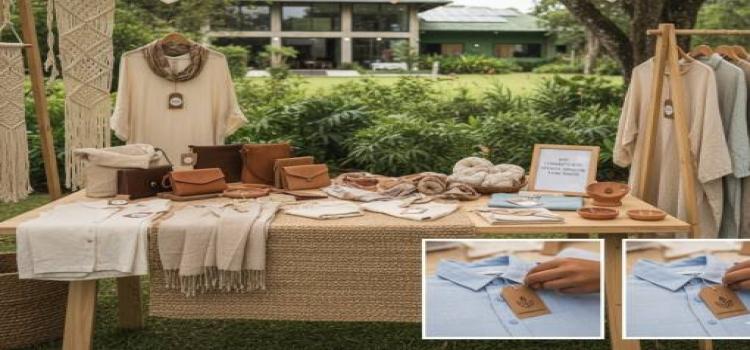
According to Research Intelo, the Global Ethical Fashion market size was valued at $8.7 billion in 2024 and is projected to reach $28.6 billion by 2033, expanding at a robust CAGR of 14.2% during the forecast period of 2025–2033. The primary driver of this impressive growth is the rising global awareness and demand for sustainable and responsibly sourced fashion products. Consumers, particularly in developed economies, are increasingly prioritizing ethical considerations such as fair labor practices, environmental stewardship, and cruelty-free production in their purchasing decisions. This shift is compelling brands and retailers to invest in transparent supply chains, eco-friendly materials, and certifications, thereby accelerating market growth and transforming the fashion industry landscape worldwide.
The global fashion industry, long celebrated for creativity and innovation, is now undergoing a profound transformation. The ethical fashion market is gaining momentum as consumers, brands, and policymakers recognize the urgent need for sustainability, transparency, and social responsibility. Unlike traditional fast fashion, ethical fashion emphasizes fair labor practices, environmentally friendly materials, and supply chain accountability. This shift reflects a growing movement towards mindful consumption, where style coexists with purpose.
Market Drivers
The ethical fashion market’s expansion is being powered by a combination of social, environmental, and technological forces.
Consumer Awareness and Demand
Modern consumers, especially Millennials and Gen Z, are increasingly aware of the environmental and ethical implications of their purchasing choices. The demand for transparency and accountability has pushed brands to adopt more sustainable practices. Social media has amplified this awareness, enabling advocacy and exposure of unethical practices in real-time.
Environmental Concerns
Fashion is one of the world’s largest polluters, responsible for around 10% of global carbon emissions and massive water consumption. Ethical fashion aims to counter these impacts by promoting circular economy models recycling, upcycling, and minimizing waste.
Government Regulations and Industry Standards
Governments and international organizations are introducing sustainability regulations that encourage ethical manufacturing. Certification programs such as Fair Trade, GOTS (Global Organic Textile Standard), and B Corp are becoming benchmarks for brand credibility.
Technological Innovation
Innovations in textile technology and digital platforms are making sustainable fashion more accessible. From AI-driven supply chain transparency to blockchain-enabled material tracing, technology is helping brands verify and communicate their ethical commitments effectively.
Opportunities for Growth
The ethical fashion market presents significant opportunities for innovation and expansion.
• Investment in Sustainable Technologies: Companies investing in biodegradable fabrics, low-impact dyes, and circular production models can differentiate themselves in a competitive market.
• Emergence of Secondhand and Rental Fashion: Platforms like Depop, Rent the Runway, and ThredUp are redefining fashion ownership, appealing to younger demographics.
• Collaboration with Artisans and Local Communities: Ethical brands that integrate traditional craftsmanship and support local economies can add cultural and social value.
• Education and Awareness Campaigns: Encouraging consumers to understand the impact of fast fashion can further accelerate the shift toward ethical alternatives.
Future Outlook
The ethical fashion market is projected to experience sustained growth as awareness deepens and sustainable technologies advance. The future will likely see a fusion of digital innovation, sustainability, and inclusivity, where brands will be judged not just by their products but by their values and impact. As circular economy practices become mainstream, ethical fashion will redefine how the world perceives clothing shifting from disposable to durable, from exploitative to empowering.
- Core Fashion & Textile Value Chain
- Circularity, Sustainability & Waste Management
- Sustainability Enablers & Solutions
- Technology, Platforms & Innovation
- Retail, Trade & Market Access
- Knowledge, Institutions & Ecosystem Builders
- Finance, Investment & Support
- Logistics, Infrastructure & Operations
- Media, Communication & Culture
- Others

 English
 Arabic
 French
 Spanish
 Portuguese
 Deutsch
 Turkish
 Dutch
Dutch
 Italiano
 Romaian
 Portuguese (Brazil)
 Greek
Greek