


Zero waste initiatives are reshaping the future of fashion manufacturing
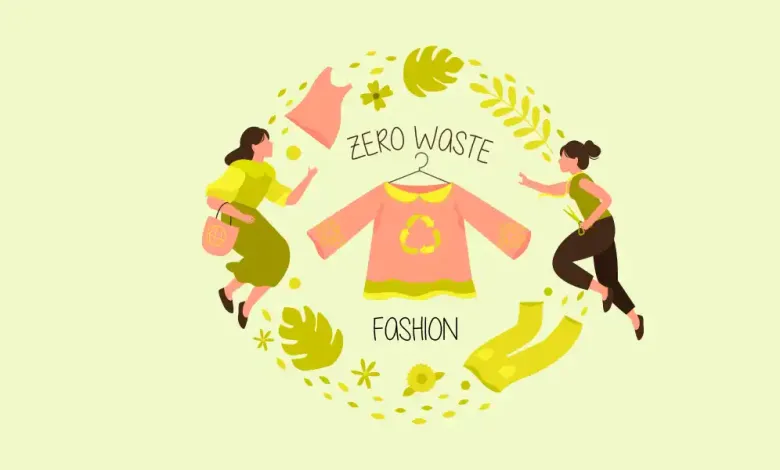
Zero waste refers to reducing waste to zero percent in any production process. According to the World Bank, approximately 92 million tons of textile waste are generated annually in world. If it is going on these number will increase in 134 million tons within 2030. So that textile industry is one of the most environmentally polluting industries. The main goal of zero waste fashion is to reduce this wastage to zero. According to McKinsey around 66% of people now prefer environmentally friendly clothing. As a result, the zero-waste approach is becoming increasingly popular for sustainability and waste reduction. In textiles, zero waste mainly refers to minimizing waste generated during the apparel production process or after use, and utilizing it efficiently or recycling it to make it usable again. The concept of zero waste incorporates the principles of refuse, reuse, and recycle aiming to reduce waste generation and ensure its effective management.
In textiles, there are two types of waste: pre-consumer waste and post-consumer waste. Pre-consumer waste occurs throughout the production process from spinning, dyeing, and weaving to the apparel supply chain. For example, fiber waste occurs in spinning, yarn waste in weaving, chemical waste in dyeing, and fabric waste in the apparel supply chain. Within the apparel supply chain, waste is found in fabric inspection, cutting, sewing, and finishing sections. The cutting section alone typically generates about 10–15% waste. In the sewing section, waste can result from worker errors, machine breakdowns, and needle defects. Other causes of waste include shade variation, dirt or stains, uneven dyeing, and crease marks. At every step of textile production, some level of waste is inevitable, and eventually, post-consumer garments are discarded, contributing to environmental pollution. As environmental degradation increases, consumers are becoming more aware and are shifting toward zero-waste solutions. Various methods are being developed to implement zero-waste practices. In the pre-use stage, zero waste pattern cutting techniques can significantly reduce cutting waste. Garments can also be designed so that smaller leftover pieces are reused in other parts, minimizing fabric waste. Additionally, digital tools like CLO 3D are being used to create virtual samples through pattern simulation, reducing pre-production waste and improving efficiency. Maintaining material efficiency is another effective way to control waste.
Moreover, 4D weaving has opened new possibilities for producing seamless garments. This method allows fabrics to be shaped into desired forms without cutting, eliminating the need for cutting and sewing and reducing waste by up to 90%. This modern weaving method was invented by a group of researchers from MIT. It could become a groundbreaking innovation in implementing the zero-waste concept.
Brands must take necessary initiatives to implement zero-waste policies. They should develop guidelines encouraging the use of 3D and 4D technologies and promote recycled and organic cotton usage among manufacturers. In other words, the focus should be on eco-friendly and recycled-based products. Manufacturers must also maintain proper waste management systems and move toward automated production processes.
However, achieving zero waste comes with several challenges. Advanced production technologies are essential, but not all industries can afford such costly installations. Skilled manpower is also required to operate these technologies, which is not always readily available. In some cases, zero-waste practices do not align with customer mindsets for example, collecting post-used garments can be difficult for brands. However, in Europe, brands are now purchasing used garments from consumers, which is proving to be an effective approach. Additionally, zero-waste management involves complex production processes. Consumers are also interested to fast fashion, which is relatively cheap and constantly introduces new styles. Fast fashion is increasing consumer demand. As a result, people are using more clothing than before, which is leading to increased waste this directly conflicts with the concept of zero waste principles. Fast fashion typically has a very short lead time, and at the same time, a study by CleanHub found that the average lifespan of garments in fast fashion is only about 35 days. On the other hand, a survey by WiliTalents reported that the average lifespan of regular clothing is around 2.2 years, whereas fast fashion garments last less than one year.
Today’s world is striving to balance increasing demand with environmentally sustainable production, pointing toward a circular economy. Zero waste offers a way to achieve both goals simultaneously. It can significantly reduce carbon emissions, which will become one of the most critical issues in the near future. Therefore, zero waste is no longer just a concept for discussion it is time to implement it.
- Core Fashion & Textile Value Chain
- Circularity, Sustainability & Waste Management
- Sustainability Enablers & Solutions
- Technology, Platforms & Innovation
- Retail, Trade & Market Access
- Knowledge, Institutions & Ecosystem Builders
- Finance, Investment & Support
- Logistics, Infrastructure & Operations
- Media, Communication & Culture
- Others

 English
 Arabic
 French
 Spanish
 Portuguese
 Deutsch
 Turkish
 Dutch
Dutch
 Italiano
 Romaian
 Portuguese (Brazil)
 Greek
Greek